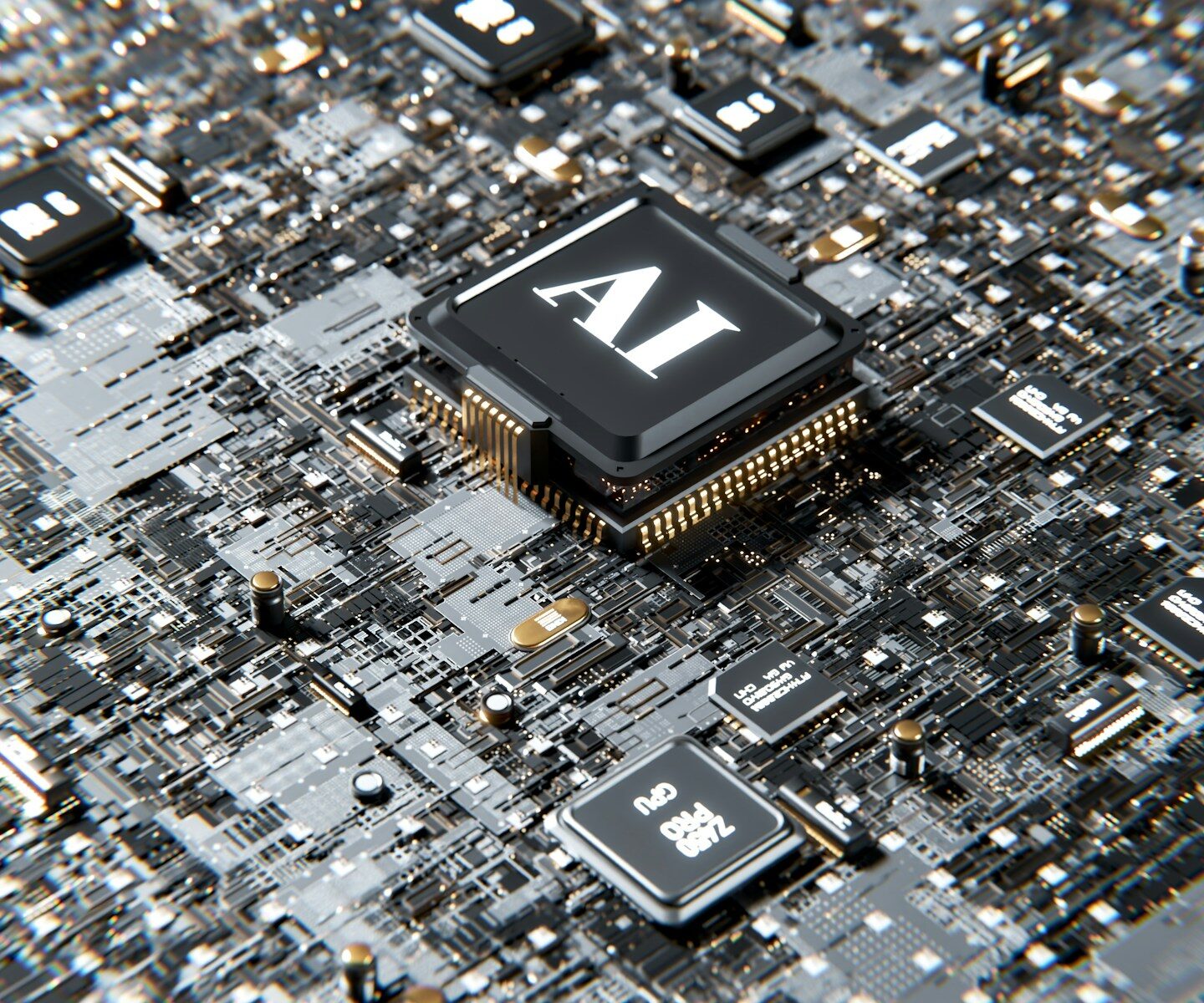
Explore the biggest technology trends of March 2026 — from agentic AI maturity and robotics to semiconductor growth and global AI competition.
From AI Hype to Reality
March 2026 represents a critical turning point in the AI revolution. After months of rapid excitement, the industry is now confronting the most important question yet: Can AI deliver real-world value at scale?
The conversation has shifted from hype-driven innovation to performance, efficiency, and accountability.
Agentic AI Meets the Reality Check
Agentic AI continues to dominate the industry conversation — but with a new, more grounded perspective. AI is no longer judged by impressive demos. The focus has shifted entirely to real ROI and measurable deployment success. Enterprises are demanding answers to the question: ‘Does this actually work at scale?’
Top AI Model Competition
As of March 2026, the AI model race has never been tighter:
- Anthropic leads in performance benchmarks
- xAI follows with strong competitive positioning
- Google continues to expand its AI ecosystem with Search Live enhancements
- OpenAI remains a formidable player with ongoing product innovation
NVIDIA GTC 2026 & The Future of Computing
At NVIDIA GTC 2026, the central message was unmistakable: AI is evolving well beyond software into infrastructure and physical systems. Key themes included agentic AI at scale, faster AI inference, the rise of Physical AI (robotics), and a major shift toward ARM-based architectures integrated with NVIDIA CPUs.
The Semiconductor Boom
TSMC Surges Ahead
TSMC reported over 30% month-on-month revenue growth, driven by explosive demand for AI chips. The semiconductor has cemented its role as the new oil of the AI economy — whoever controls chip supply controls the future of AI.
India’s Semiconductor Ambitions
Prime Minister Narendra Modi inaugurated a ₹3,300 crore semiconductor plant in Sanand, signaling India’s serious ambition to become a major global chip manufacturing hub and reduce dependency on existing supply chains.
Nuclear Energy for AI
Big Tech is investing heavily in next-generation nuclear power and sustainable energy solutions for data centers. AI’s greatest challenge is no longer intelligence — it’s the sheer energy consumption of running intelligent systems at global scale.
Robotics & Physical AI Acceleration
The rise of Physical AI is becoming tangible. Companies like 1X are delivering early humanoid robots at around $20,000 per unit. While fully capable home robots are still 2–3 years away, current models are improving rapidly, following the same trajectory as AI software: early hype followed by steady, real-world adoption.
Key Trends Defining the Rest of 2026
- AI-Native Development: Platforms built entirely around AI-first workflows are replacing traditional software architecture
- Agentic Reality Check: The industry focus is shifting from hype to measurable, defensible value
- Physical AI: The convergence of robotics and artificial intelligence is accelerating
- Preemptive Cybersecurity: AI systems are now being deployed to defend against AI-driven threats
Final Thoughts: The Age of Accountability in AI
March 2026 delivers a powerful and clear message: AI must now prove its value — not just promise it. We are entering a new era where performance matters more than hype, efficiency matters more than scale, and responsibility matters more than speed.
The next era of technology will not be defined by who builds the most powerful AI — but by who builds the most useful, reliable, and sustainable AI systems.